
Understanding Child Custody And What Every Parents Should Know
What Is Child Custody?
Child custody refers to the legal rights and responsibilities a parent has toward their child after a separation or divorce. It determines where the child will live, who will make important decisions regarding the child’s upbringing, and how both parents will remain involved in the child’s life.
Custody arrangements are usually decided by the court, but in some cases, parents can agree on the terms themselves and submit the agreement for legal approval.
Types of Child Custody
There are different types of custody arrangements that courts may grant depending on what is best for the child.
1. Physical Custody
Physical custody refers to where the child lives on a daily basis. The parent with physical custody is responsible for the child’s daily care and supervision.
2. Legal Custody
Legal custody gives a parent the authority to make important decisions about the child’s life, such as education, healthcare, religion, and overall welfare.
3. Sole Custody
In some cases, the court may grant sole custody to one parent. This means one parent has the primary responsibility for the child’s care and decision-making.
4. Joint Custody
Joint custody allows both parents to share responsibilities in raising the child. This arrangement encourages both parents to remain actively involved in the child’s life.
Factors Courts Consider in Child Custody Decisions
When determining custody arrangements, courts focus on what is in the best interest of the child.Some of the factors that may influence the court’s decision include:
- The child’s age and emotional needs
- The relationship between the child and each parent
- Each parent’s ability to care for the child
- Stability of the home environment
- The child’s education and social environment
- Any history of abuse or neglect
The goal is always to create a safe, supportive, and stable environment where the child can grow and thrive.
The Importance of Cooperation Between Parents
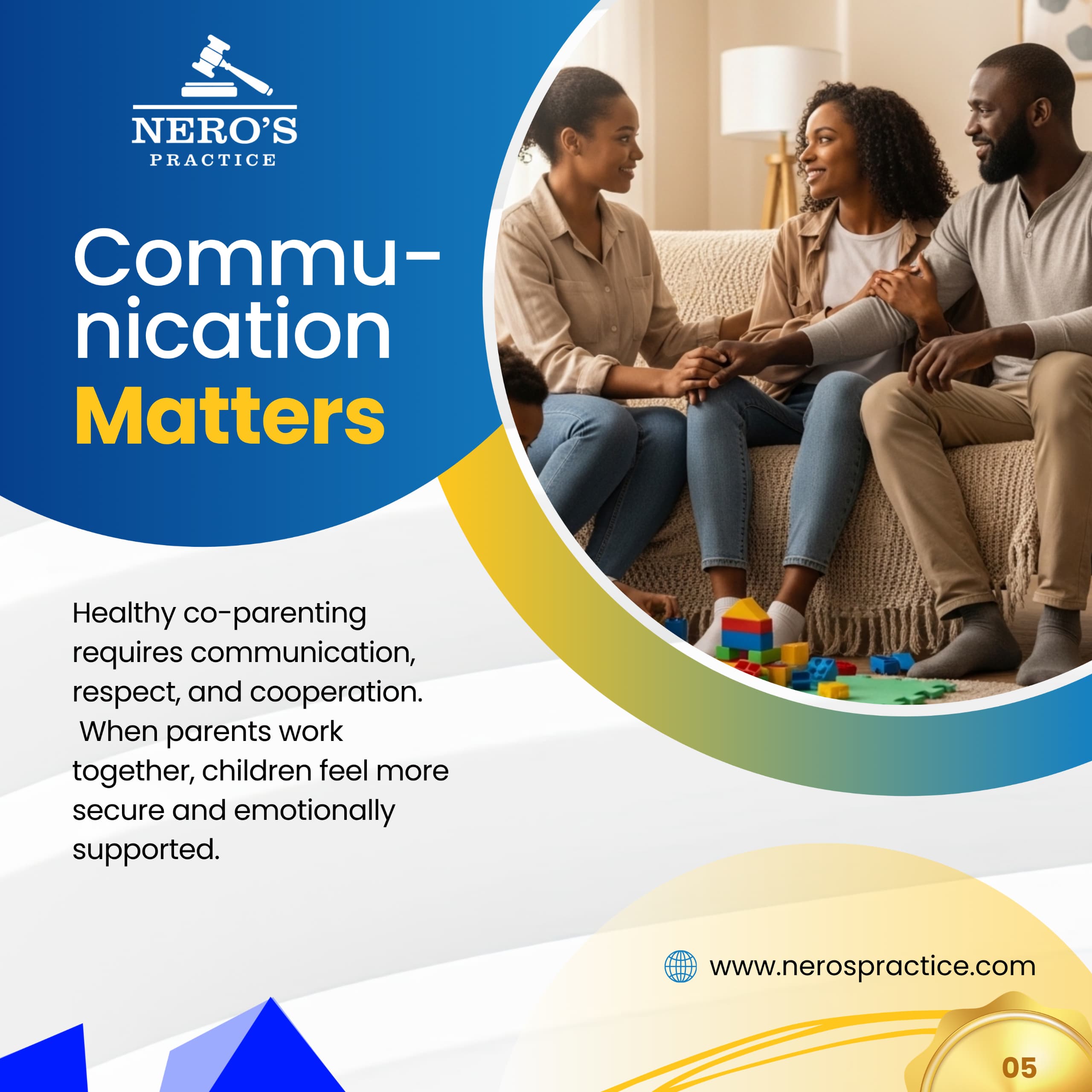
Even after separation, children benefit when parents cooperate and maintain healthy communication. A respectful co-parenting relationship helps reduce stress for the child and ensures that important decisions are made with the child’s wellbeing in mind.
Parents should try to:
- Communicate respectfully with each other
- Follow agreed visitation schedules
- Avoid involving children in conflicts
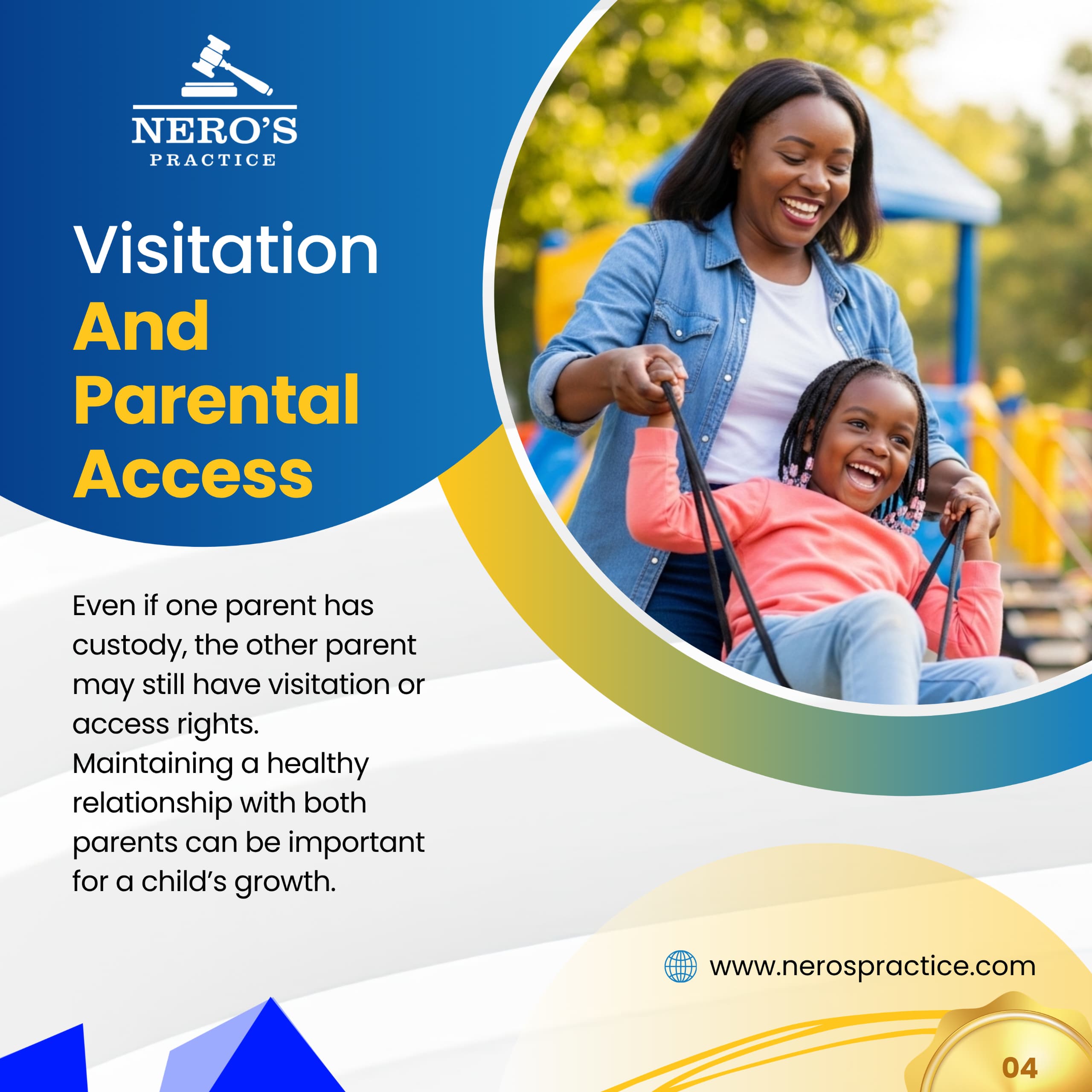
- Focus on the child’s emotional and developmental needs Visitation and Parental Access
When one parent has primary custody, the other parent is usually granted visitation or parental access rights. This allows the child to maintain a meaningful relationship with both parents. Visitation schedules may include weekends, holidays, school vacations, or other agreed times.
Final Thoughts
Child custody is not about winning or losing as parents. Instead, it is about ensuring that children receive the love, support, and stability they need to grow into healthy and confident individuals. By understanding custody arrangements and prioritizing the child’s best interests, parents can create a positive path forward even after separation.